

Pest Control Services in Montpelier, VT
Montpelier, Vermont's capital city, presents unique pest control challenges shaped by its location in the Winooski River valley, historic architecture, and cold, snowy winters. Homeowners and businesses throughout Washington County deal with pests that thrive in our humid summers and seek shelter during harsh winters. Effective pest management here requires understanding the specific conditions that affect properties in this compact, densely built New England city.
The mix of well-preserved 19th-century buildings, modern commercial structures, and wooded residential neighborhoods creates diverse habitats for common Vermont pests. Carpenter ants pose particular concerns for Montpelier's many wooden structures, while mice and rats exploit gaps in older foundations as temperatures drop. Seasonal patterns bring wasps and hornets during warmer months, and bed bugs remain an ongoing issue in multi-unit housing near the downtown area.
Professional pest control services in Montpelier address these challenges with integrated approaches tailored to Washington County's climate. Technicians familiar with local building stock can identify entry points, nesting sites, and conditions that encourage infestations. Treatment plans typically combine immediate pest removal with preventive measures suited to each property's age, construction type, and surrounding environment.
Common Pest Problems in Montpelier
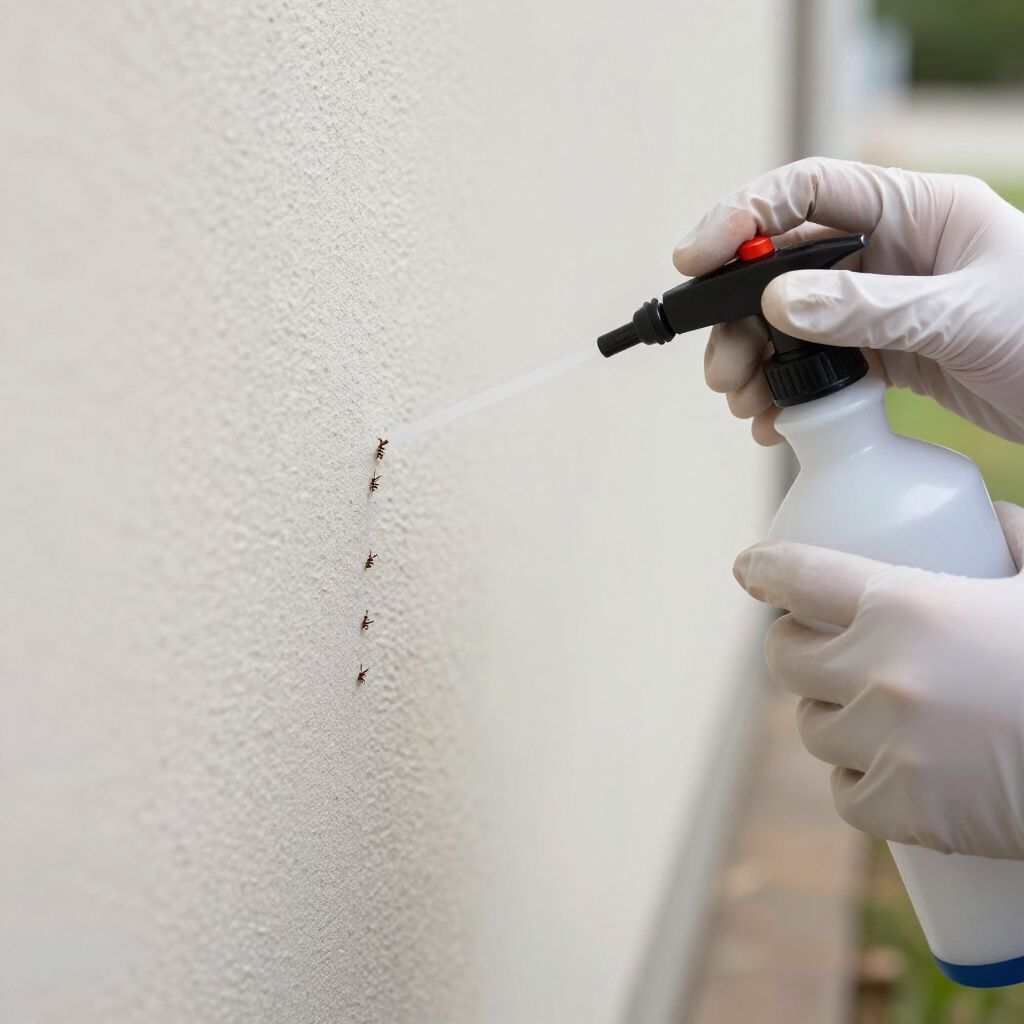
Carpenter ants rank among the most destructive pests in Montpelier homes. These large black ants tunnel through damp or decaying wood, often targeting areas with moisture damage around chimneys, porches, and window frames. Left untreated, colonies can compromise structural integrity over years of activity. Signs include sawdust-like frass, rustling sounds in walls, and trails of foraging workers, especially at night.
Rodent pressure intensifies each autumn as field mice and Norway rats migrate toward human structures. Montpelier's older homes with stone foundations, dirt basements, and gaps around utility penetrations offer easy access. Once inside, rodents contaminate food stores, damage wiring, and create fire hazards through gnawing behavior. Professional exclusion work—sealing entry points with appropriate materials—proves more effective long-term than trapping alone.
Stinging insects create seasonal concerns from late spring through fall. Paper wasps, yellowjackets, and bald-faced hornets build nests in eaves, attics, and ground cavities throughout Montpelier neighborhoods. Nests near doorways, play areas, or commercial entrances require careful removal to protect residents and visitors with sting allergies.
Moisture-loving pests including silverfish, centipedes, and springtails inhabit basements and crawl spaces in this river valley city. Persistent dampness in below-grade areas, common in Montpelier's hillside homes, sustains populations that can spread throughout structures. Dehumidification and targeted treatments address both the pests and conducive conditions.
Seasonal Pest Control Considerations
Spring brings ant swarming, termite emergence, and increased wasp activity as overwintering queens establish new colonies. Early inspections catch developing problems before peak summer populations. Summer months see peak activity for most insects, with mosquitoes and ticks requiring attention for properties near wooded or brushy areas like Hubbard Park.
Fall represents the critical window for rodent exclusion, as dropping temperatures drive mice and rats indoors. Winter pest control focuses on maintaining barriers against invaders and addressing any insects that have moved into heated interior spaces. Year-round monitoring adapts strategies to Montpelier's pronounced seasonal shifts.
Frequently Asked Questions About Pest Control in Montpelier
How does Montpelier's cold climate affect pest activity?
Vermont's harsh winters significantly reduce outdoor insect activity but drive rodents and some insects into heated structures. Many pests enter diapause—a dormant state—while others, like cluster flies and boxelder bugs, seek shelter in attics and wall voids. Spring thaw triggers rapid population increases as surviving pests emerge and reproduce. Professional pest control accounts for these dramatic seasonal fluctuations, with heavier emphasis on exclusion and interior treatments during colder months.
Are carpenter ants or termites the bigger threat to Montpelier homes?
Carpenter ants present the more prevalent concern in Montpelier and throughout northern Vermont. While subterranean termites do occur in Washington County, they remain far less common than in southern New England. Carpenter ants exploit moisture-damaged wood, which is common in older homes with aging roofs, inadequate ventilation, or drainage issues. Both pests require professional identification, as treatment strategies differ significantly—termites demand soil treatment or baiting systems, while carpenter ant control focuses on nest location and moisture management.
What should Montpelier residents do about bed bugs in multi-unit buildings?
Bed bug infestations in apartments and downtown commercial buildings require coordinated professional response. Individual unit treatments often fail as bugs migrate through wall voids and utility chases. Property managers should establish building-wide monitoring, tenant education, and rapid response protocols. Heat treatment, applied by certified technicians, eliminates bed bugs in single treatments when properly executed. Residents should avoid DIY foggers or sprays, which scatter infestations and complicate professional remediation.