
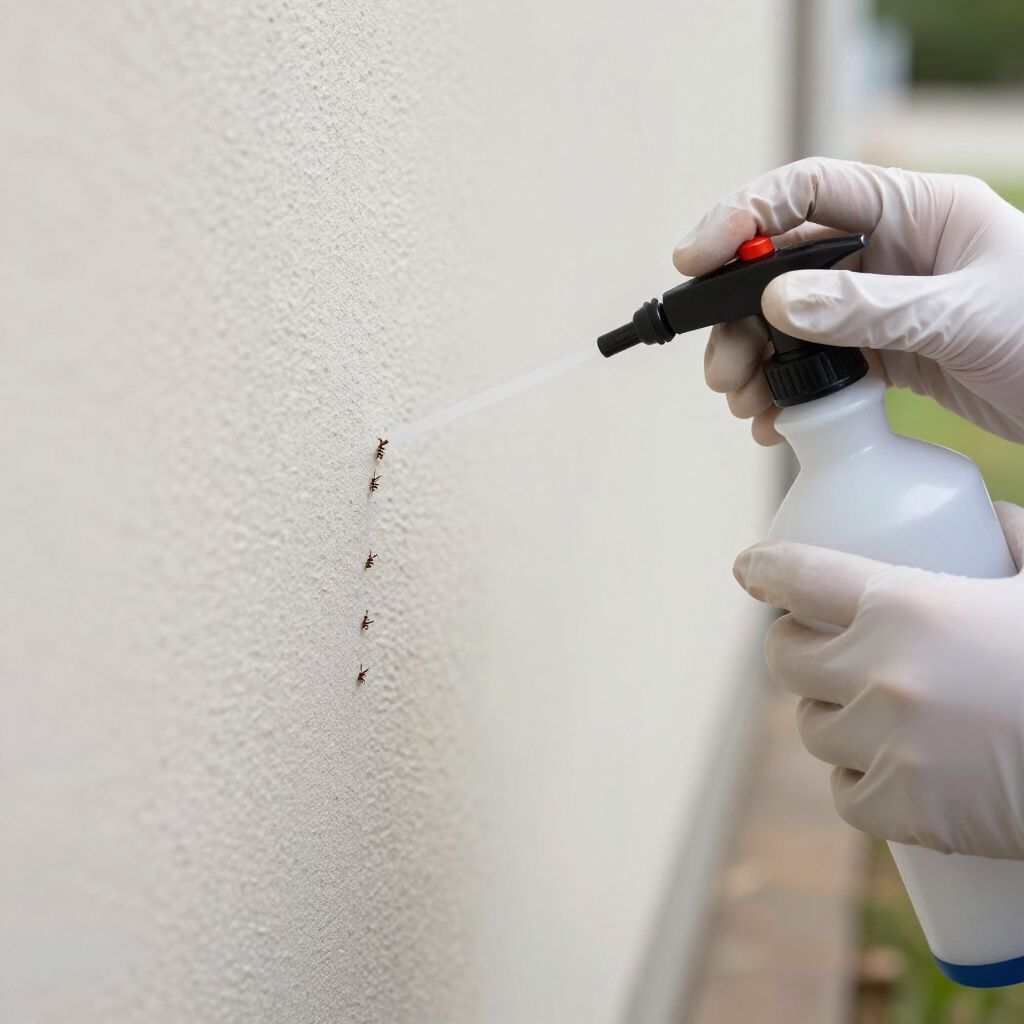

Termites are one of the most destructive pests a homeowner can face, often causing thousands of dollars in damage before you even realize they're there. Unlike ants or cockroaches, termites prefer to stay hidden, working silently behind walls, under floors, and inside wooden structures. Learning to recognize the early signs you may have termites can mean the difference between a minor treatment and extensive, costly repairs. Whether you're a new homeowner or have lived in your house for decades, knowing what to look for is your best defense against these relentless invaders.
Signs You May Have Termites: What to Watch For
Spotting a termite problem early requires knowing where to look and what to notice. These pests rarely expose themselves, so you'll need to be vigilant about subtle changes around your property.
One of the most telling indicators is the presence of mud tubes. Subterranean termites, the most common type in many regions, build these pencil-thin tunnels from soil, wood particles, and their own saliva to travel between their underground colony and their food source. You'll typically find mud tubes along foundation walls, crawl spaces, or exterior surfaces. Break one open—if active termites are inside, you have a live infestation that needs immediate attention.
Discarded wings near windowsills, doorways, or light fixtures are another red flag. Termite swarmers, the reproductive members of the colony, take flight to establish new colonies, usually in spring. After mating, they shed their wings and burrow into wood. Finding piles of these translucent, equal-sized wings often indicates a mature colony nearby—or one that's already inside your home.
Wood damage itself can reveal termite activity, though it's often hidden from plain sight. Tap wooden beams, baseboards, and window frames with a screwdriver handle. Damaged wood sounds hollow and may give way easily. Termites consume wood from the inside out, leaving a thin veneer of paint or wood intact while hollowing out the interior. You might also notice blistering or darkening on wood surfaces, which resembles water damage but stems from termite tunneling just beneath.
Frass, or termite droppings, appears as tiny hexagonal pellets that resemble sawdust or coffee grounds. Drywood termites push these excrement pellets out of their galleries through small kick-out holes. If you notice mysterious piles of granular material accumulating below wooden structures, investigate further rather than simply sweeping it away.
Subtle Environmental Clues
Beyond the obvious visual signs, termites alter their surroundings in ways attentive homeowners can detect. Pay attention to doors and windows that suddenly become difficult to open or close. As termites introduce moisture into wooden frames while feeding, the wood warps and swells, causing functional issues that might seem like ordinary humidity problems.
Your paint and wallpaper can also tell a story. Bubbling, peeling, or uneven paint surfaces may indicate moisture buildup from termite activity behind the wall. Similarly, wallpaper may appear to sag or develop discolored patches without any apparent water source. These symptoms often lead homeowners to call a plumber when the real culprit is much smaller and more destructive.
A faint, musty odor in confined spaces like basements, crawl spaces, or attics can signal termite presence. This smell comes from the combination of wood decay, moisture, and the termites themselves. If you notice persistent odors that don't improve with ventilation or cleaning, consider a professional inspection.
Why Annual Inspections Matter
Even the most observant homeowner can miss early termite activity. These insects excel at concealment, and by the time visible damage appears, the infestation may have progressed significantly. Annual professional inspections provide peace of mind and catch problems before they escalate.
Trained pest control technicians know where termites are likely to enter and establish colonies. They examine areas homeowners rarely access, such as crawl spaces, attics, and the narrow gaps between foundations and soil lines. Professionals also distinguish termite damage from carpenter ant activity, wood rot, or other issues that require different treatments.
Between inspections, maintain good prevention habits. Keep wood mulch, firewood, and lumber piles away from your foundation. Ensure proper drainage so water doesn't pool near your home's base. Trim vegetation to improve airflow and reduce moisture retention against exterior walls. Repair leaking faucets, gutters, and downspouts promptly—termites are drawn to damp environments.
Key Tips for Protecting Your Home
When you suspect termite activity, resist the urge to disturb potential colonies or apply over-the-counter treatments haphazardly. Spraying visible mud tubes or wing piles with consumer products often scatters the colony, making professional treatment more difficult and allowing termites to establish new feeding sites elsewhere in your home.
Instead, document what you've observed with photographs and notes. Mark locations where you've found suspicious signs. This information helps pest control professionals assess the situation efficiently and tailor their approach to your specific circumstances.
Understand that termite treatments vary based on the species involved, the extent of infestation, and your home's construction. Liquid soil treatments, baiting systems, and wood treatments each address different scenarios. A reputable pest control provider will explain your options clearly without pressuring you into unnecessary services.
If your home has never had a termite inspection, schedule one regardless of whether you've noticed warning signs. Prevention costs far less than remediation, and many homeowners are surprised to discover dormant or early-stage activity they never suspected.
Final Thoughts
Termites demand respect through vigilance, not panic. The signs you may have termites—mud tubes, discarded wings, hollow-sounding wood, frass, warped doors, and mysterious moisture damage—are all detectable when you know what to look for. The key is combining your own observations with professional expertise to protect your home's structural integrity and your financial investment.
Don't let these silent destroyers undermine the place where you live and build memories. Make termite awareness part of your regular home maintenance routine, and at the first hint of trouble, reach out to qualified pest control professionals who can confirm your suspicions and recommend effective, targeted solutions. Your proactive attention today prevents the heartache of extensive damage tomorrow.