
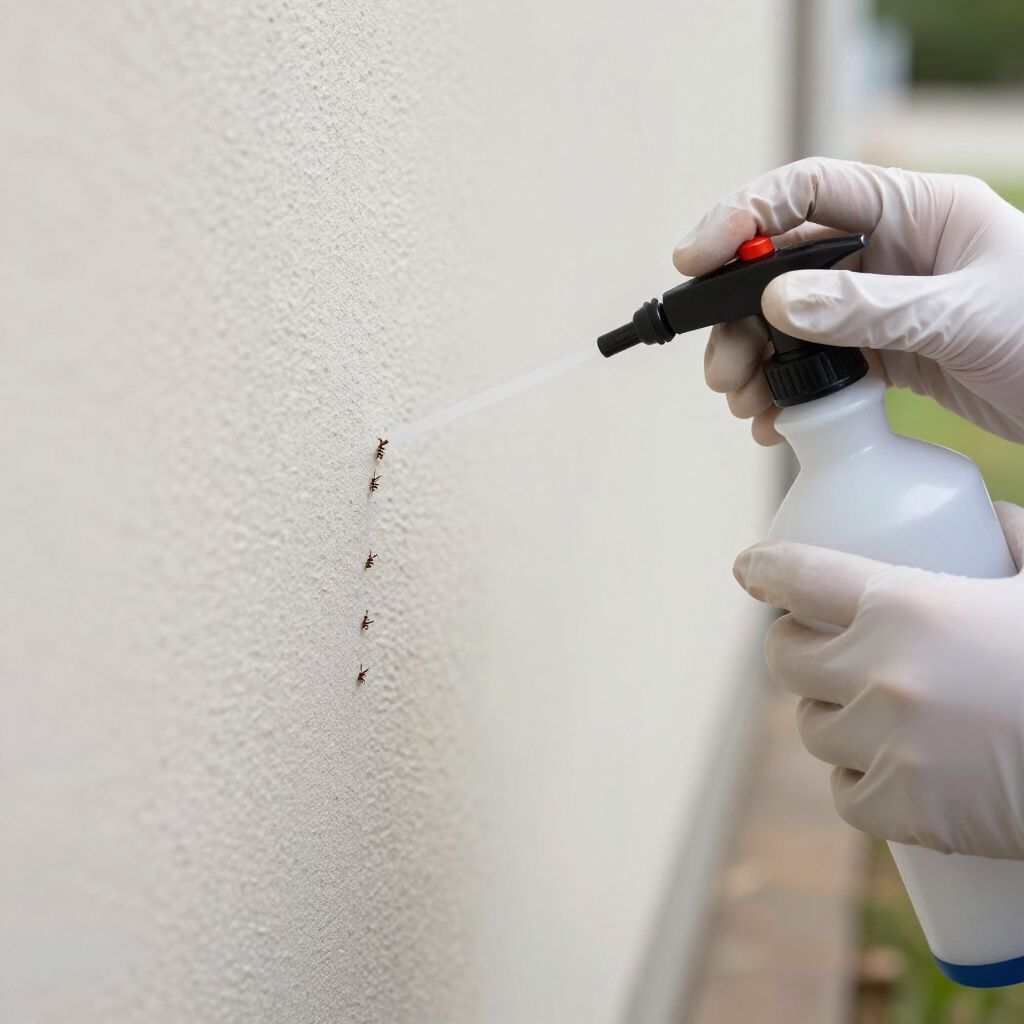

As the seasons shift across the Tri-State Area, so do the pests that try to make themselves at home in your living space. What works to keep insects and rodents away in summer won't necessarily protect you when winter settles in. A proactive, season-by-season approach to pest management saves you from reactive treatments, costly repairs, and the stress of unexpected infestations. This seasonal pest control checklist gives homeowners a practical roadmap for staying one step ahead of nature's most persistent invaders all year long.
Spring: Seal Entry Points and Address Moisture
Spring awakens more than your garden. As temperatures rise, ants, termites, spiders, and rodents become active and begin searching for food, water, and nesting sites. Your first task is a thorough exterior inspection. Walk around your home and examine the foundation, window frames, door sweeps, and utility penetrations for gaps larger than a quarter inch. Mice can squeeze through openings the size of a dime, so don't dismiss small cracks.
Replace damaged weatherstripping and install door sweeps where they're missing. Caulk around windows, pipes, and wiring entries. Pay special attention to areas where different building materials meet—these junctions often settle and create hidden access points.
Moisture management is equally critical in spring. Clean gutters and downspouts to prevent water accumulation near your foundation. Grade soil away from the house to improve drainage. Termites and carpenter ants are particularly drawn to damp, decaying wood, so address any wood-to-soil contact around decks, fences, and siding. Store firewood at least twenty feet from your home and elevate it off the ground.
Inside, inspect basements and crawlspaces for standing water or condensation. A dehumidifier running at 50% relative humidity or below makes these spaces far less appealing to moisture-loving pests.
Summer: Manage Landscaping and Eliminate Standing Water
Summer brings peak pest pressure. Mosquitoes, wasps, flies, and outdoor ants thrive in the heat, while cockroaches and silverfish seek the cooler temperatures your air conditioning provides.
Your landscaping choices directly impact pest activity. Trim shrubs, tree branches, and ornamental grasses so they don't touch your home's exterior—these act as bridges for ants, spiders, and rodents. Maintain a mulch-free zone of at least six to twelve inches around your foundation, or switch to inorganic mulch like gravel or rubber that doesn't retain moisture or provide harborage.
Standing water is the single biggest factor in mosquito reproduction. Empty birdbaths, planters, tarps, children's toys, and clogged gutters weekly. For water features you want to keep, consider mosquito dunks containing *Bacillus thuringiensis israelensis* (Bti), a biological larvicide safe for pets and wildlife.
Outdoor eating areas require vigilance. Clean grills after each use, keep garbage in sealed containers with tight-fitting lids, and promptly remove fallen fruit from trees. Wasps and yellow jackets are opportunistic scavengers, and a single uncovered soda can at a barbecue can attract a nest-building queen.
Indoor summer pest control focuses on the kitchen. Store dry goods in airtight containers, wipe counters daily, and don't let dishes soak overnight. The minimal effort of taking out kitchen trash each evening prevents the scent trails that lead ants straight to your pantry.
Fall: Prepare Your Home for Overwintering Pests
Fall is arguably the most important season for preventive pest control. As temperatures drop, boxelder bugs, stink bugs, lady beetles, cluster flies, and rodents actively seek overwintering shelter—and your heated home is their target destination.
Repeat and intensify your spring sealing efforts. Install fine mesh screens over attic vents, chimney openings, and crawlspace vents. Check soffits and fascia boards for deterioration. Rodents can gnaw through surprisingly soft materials, so consider reinforcing vulnerable areas with hardware cloth or copper mesh that resists chewing.
Inspect the roofline carefully. Squirrels and raccoons exploit loose shingles, damaged flashing, and uncapped chimneys. If you hear scratching or scurrying sounds during early morning or evening hours, professional exclusion is warranted before these excellent climbers establish nests in your attic insulation.
Move your firewood stockpile before the first frost, and inspect each piece before bringing it indoors. Hitchhiking insects and spiders in woodpiles are a common source of winter indoor sightings. Similarly, examine holiday decorations stored in garages, sheds, and attics before carrying them into living spaces.
Garage doors deserve special attention in fall. Replace worn bottom seals and ensure the door closes flush with the ground. Many homeowners discover mouse droppings in garages first, as these transitional spaces offer easy access and abundant hiding spots among stored items.
Winter: Monitor and Maintain Indoor Vigilance
Pest activity slows in winter, but the threats don't disappear. Rodents that entered in fall settle into nesting patterns, while cockroaches and pantry pests remain active in heated indoor environments.
Winter is ideal for deep inspection of less-frequented areas. Check attics for disturbed insulation, gnaw marks on stored items, and the distinctive ammonia smell of rodent urine. In basements, look for grease rub marks along beams and pipes—dark, oily streaks left by mice and rats following habitual travel paths.
Pantry maintenance prevents Indian meal moths, weevils, and flour beetles from spreading. Discard expired goods, vacuum shelving crevices, and freeze suspect dry goods for seventy-two hours to kill any hidden eggs before storing them in sealed containers.
Maintain exterior vigilance even in cold months. Ice dams and roof leaks create moisture problems that attract pests, so ensure proper attic insulation and ventilation. After heavy snowfalls, check that vent covers remain intact and that digging animals haven't exposed new entry points around the foundation.
Key Tips That Work in Every Season
Certain fundamentals transcend seasonal boundaries. First, consistency outperforms intensity. Brief monthly inspections catch problems before they escalate, while annual marathon sessions often miss subtle early warning signs. Set a recurring calendar reminder for the first weekend of each month.
Second, understand that do-it-yourself methods have limits. Store-bought sprays kill visible pests but rarely address hidden nests, egg cases, or the structural vulnerabilities that allow reinfestation. Professional pest control technicians identify species correctly, apply targeted treatments in appropriate formulations, and provide documentation valuable for real estate transactions and warranty claims.
Third, document everything. Photograph damage, note pest sighting locations and dates, and keep records of any treatments applied. This history reveals patterns—recurring ant trails along the same baseboard, annual wasp nests in similar eaves—and enables truly preventive rather than reactive management.
Finally, coordinate with neighbors when possible. Pests don't respect property lines. A single overgrown yard or unsecured garbage situation in a adjoining property can undermine your best efforts. Community-wide awareness, particularly in townhome developments and dense neighborhoods, multiply everyone's protection.
Final Thoughts
Effective pest control isn't about winning a single battle—it's about building defensive habits that compound across months and years. By aligning your home maintenance with the predictable rhythms of pest behavior, you transform from a reactive victim into a prepared guardian of your property. Spring sealing, summer moisture management, fall exclusion, and winter monitoring each play essential roles in this integrated approach.
The most expensive pest problem is always the one discovered too late. Start with this seasonal pest control checklist today, adapt it to your specific home and regional conditions, and don't hesitate to bring in professional expertise when the situation exceeds your comfort or capability. Your future self—relaxing in a genuinely pest-free home—will thank you for the effort.