
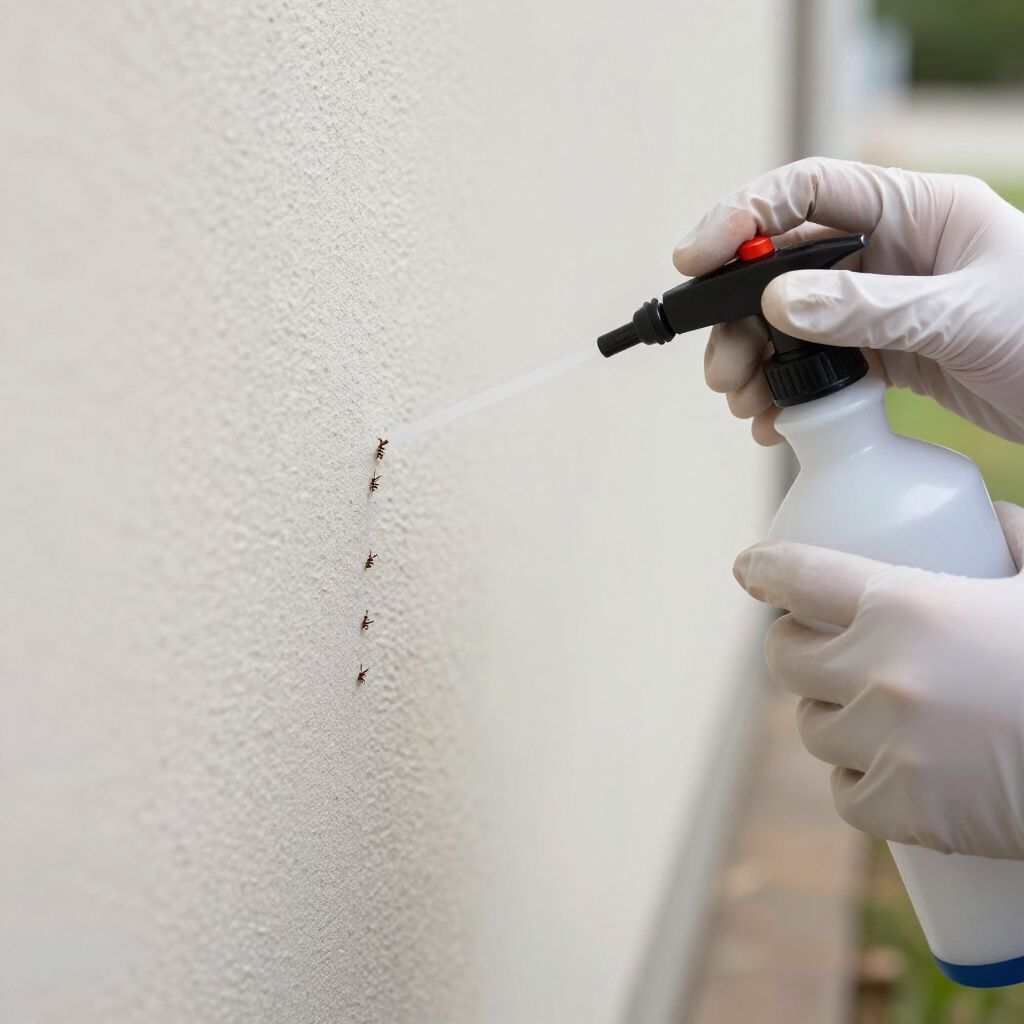
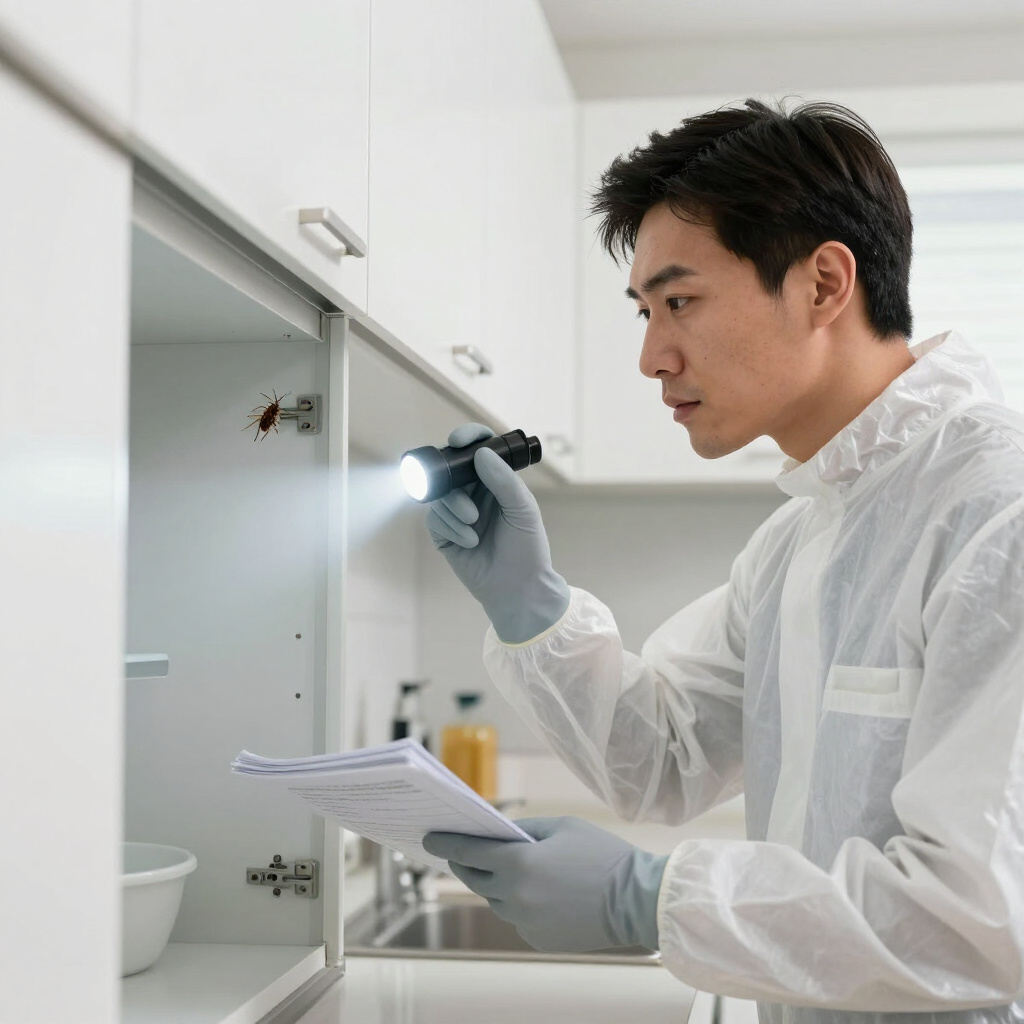
When ants march across your kitchen counter or aphids cluster on your tomato plants, reaching for harsh chemicals isn't your only option. More homeowners are discovering that natural pest control methods can be remarkably effective—and safer for families, pets, and the environment. The key is knowing which approaches actually deliver results and how to apply them correctly. Drawing from decades of professional experience and time-tested practices, here's what genuinely works when you want to keep pests at bay without synthetic pesticides.
Natural Pest Control Starts with Prevention
The most powerful natural pest control strategy isn't a product—it's making your home and garden inhospitable to unwanted visitors. Pests need food, water, and shelter to survive. Remove even one of these essentials, and populations collapse naturally.
Inside your home, store dry goods in airtight glass or metal containers rather than cardboard or plastic bags that rodents and insects can penetrate. Fix leaky faucets promptly; that tiny drip under the sink creates a water source for cockroaches and silverfish. Declutter storage areas where spiders, mice, and insects establish harborage—cardboard boxes in basements and attics are particularly problematic.
Outdoors, maintain a clean perimeter. Keep firewood stacked at least 20 feet from your foundation and elevated off the ground. Trim tree branches and shrubs so they don't touch your roof or siding, eliminating natural bridges for ants, squirrels, and roof rats. Properly compost kitchen scraps in sealed bins rather than open piles that attract flies, rodents, and raccoons.
Drainage matters enormously for mosquito control. These insects need standing water to breed, and some species complete their life cycle in as little as a bottle cap's worth of liquid. Regularly empty birdbaths, clear clogged gutters, and fill low spots in your yard where puddles persist after rain.
Proven Physical and Mechanical Controls
Sometimes the most natural approach is the most direct. Physical barriers and traps eliminate pests without any chemical intervention whatsoever.
Row covers—lightweight fabric draped over garden beds—create an impenetrable shield against cabbage moths, flea beetles, and squash bugs while allowing sunlight and water through. Copper tape around raised bed rims delivers a mild electric charge that slugs and snails avoid. Diatomaceous earth, made from fossilized aquatic organisms, abrades the waxy coating on crawling insects like ants, earwigs, and cockroaches, causing lethal dehydration. Apply it in thin layers along baseboards, behind appliances, and around garden plants; reapply after rain or heavy dew.
For rodents, snap traps remain the most humane and effective option, killing instantly without the lingering suffering of glue boards or the uncertainty of live traps relocated to unfamiliar territory. Position traps perpendicular to walls where mice travel, baited with peanut butter or sunflower seed butter.
Yellow sticky traps capture whiteflies, fungus gnats, and winged aphids in greenhouses and houseplant collections. Pheromone traps disrupt mating patterns of pantry moths and certain garden pests, though these work best as monitoring tools rather than sole control methods.
Biological Controls: Nature's Own Pest Management
Beneficial organisms that prey upon or parasitize pests represent natural pest control at its most elegant. These living solutions establish self-sustaining populations that continue working long after application.
In gardens, ladybugs and lacewing larvae voraciously consume aphids, mealybugs, and scale insects. A single ladybug may eat 5,000 aphids during its lifetime. Parasitic wasps, barely visible to the naked eye, lay eggs inside caterpillars and aphids, with emerging larvae consuming their host from within. Nematodes—microscopic roundworms—target soil-dwelling pests including Japanese beetle grubs, cutworms, and root weevils without harming earthworms or plants.
Attracting and retaining these beneficials requires habitat. Plant diverse flowering species, particularly those with umbrella-shaped blooms like dill, fennel, and yarrow, and tiny flowers from alyssum and sweet alyssum. Avoid broad-spectrum insecticides that kill indiscriminately, devastating predator populations while pests rebound faster.
Birds, bats, and amphibians also contribute significantly. A single bat consumes thousands of mosquitoes and moth pests nightly. Install properly designed bat houses on structures receiving morning sun, and maintain bird-friendly yards with native shrubs for nesting cover and berry-producing plants for winter food.
Botanical and Mineral-Based Solutions
When intervention is necessary, several naturally derived substances offer genuine efficacy with lower environmental impact than synthetic alternatives.
Neem oil, extracted from the seeds of the neem tree, disrupts insect feeding and growth hormones. It's particularly effective against soft-bodied pests like aphids, spider mites, and whiteflies, though it requires thorough coverage and repeated applications. Apply in early morning or evening to avoid harming beneficial insects and to prevent leaf burn in direct sun.
Insecticidal soaps—potassium salts of fatty acids—dissolve the outer waxy layer of soft-bodied insects, causing dehydration and death within hours. These work on contact only, so thorough spray coverage is essential. They're safe for most plants when properly diluted and present minimal risk to beneficials once dry.
Bacillus thuringiensis (Bt), a naturally occurring soil bacterium, produces proteins toxic to specific insect larvae. Different strains target caterpillars, mosquito larvae, or fungus gnat larvae with remarkable specificity, sparing pollinators and other non-target organisms entirely. This precision makes Bt among the most environmentally benign pest control options available.
Essential oils show variable effectiveness. Peppermint, cedar, and citrus oils repel certain ants and spiders when applied as perimeter sprays, though results tend to be shorter-lived than synthetic repellents. Concentrated essential oils can be toxic to pets—particularly cats—so research thoroughly before indoor use.
Key Tips for Success with Natural Methods
Natural pest control demands more patience and precision than simply spraying chemicals, but the rewards justify the effort. Accuracy matters enormously—identify your pest correctly before treating, as solutions vary dramatically between species. What eliminates spider mites won't touch scale insects.
Timing often determines effectiveness. Apply treatments when pests are most vulnerable—typically early developmental stages—and when beneficial insects are least active. Morning applications generally minimize harm to pollinators and allow foliage to dry before cool evening temperatures promote fungal diseases.
Expect to intervene more frequently. Natural products typically degrade faster than synthetics, requiring reapplication every 7-14 days rather than monthly. This isn't a flaw—it's a feature that reduces persistent environmental residues.
Combine tactics for best results. Integrated Pest Management, the professional standard, layers multiple compatible strategies: cultural practices that prevent problems, physical controls for immediate reduction, biological agents for sustained suppression, and targeted natural products when thresholds warrant intervention.
Finally, accept reasonable thresholds. A few aphids on a robust plant or occasional spiders in corners signal a functioning ecosystem. Natural pest control aims for management, not sterile elimination—and that's healthier for everyone sharing your space.
Final Thoughts
Natural pest control methods absolutely work when applied knowledgeably and consistently. The most successful approach combines prevention as your foundation, physical and biological tools as your primary interventions, and botanical solutions as targeted backups when needed. Understanding your specific pests and their vulnerabilities matters more than any single product label.
Some infestations—termites, bed bugs, widespread carpenter ant colonies—exceed what natural methods can reasonably address. Knowing when to call professionals demonstrates wisdom, not failure. Reputable pest control companies increasingly offer reduced-toxicity and targeted treatment options that align with these natural principles while delivering the efficacy serious situations demand.
Start with the strategies outlined here, observe results carefully, and adjust your approach based on what your particular situation requires. With patience and persistence, you can maintain comfortable, pest-managed spaces that respect both your family's health and the broader environment we all share.