
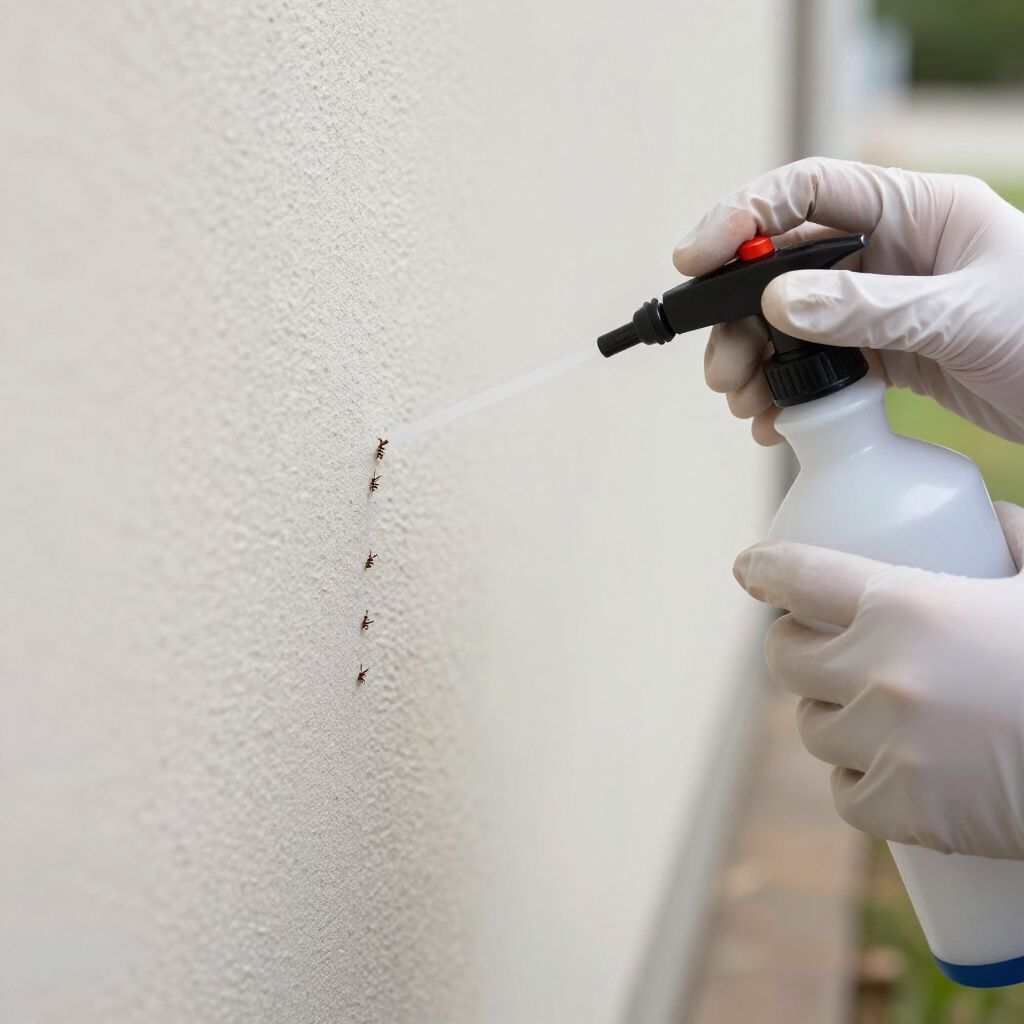

Few things disrupt the comfort of home quite like discovering unwanted visitors scurrying across your kitchen floor or hearing mysterious scratching in the walls. Whether you're a new homeowner or have lived in your space for decades, understanding which pests pose the biggest threat—and how to stop them before they settle in—can save you significant stress, expense, and frustration down the line.
Most Common Household Pests and How to Prevent Them
Every region has its own pest pressures, but certain invaders consistently rank as the most troublesome across the country. Ants lead the pack, with species ranging from harmless nuisance ants to destructive carpenter ants that tunnel through damp wood. Cockroaches follow closely behind, thriving in warm, humid environments and posing genuine health risks through allergen spread and bacteria transmission. Rodents—mice and rats—cause structural damage by gnawing on wires, insulation, and even plumbing, while creating fire hazards and contamination concerns. Termites operate silently, often causing thousands in damage before homeowners notice their presence. Finally, seasonal invaders like stink bugs, boxelder bugs, and cluster flies make their presence known during weather transitions, gathering on sunny exterior walls and slipping through gaps to overwinter indoors.
Understanding each pest's behavior matters because effective prevention requires targeting their specific motivations. Ants follow chemical trails to food sources. Cockroaches seek water, warmth, and tight harborage. Rodents need only a quarter-inch opening to enter and will cache food for future needs. Termites require soil contact or consistent moisture to survive. When you know what draws them in, you can systematically remove those attractions.
Entry Point Elimination and Exclusion
The single most impactful step in pest prevention is sealing your home's perimeter. Walk your property with intention, examining foundation walls, utility penetrations, door sweeps, window screens, and roofline gaps. Caulk cracks wider than a pencil eraser, replace damaged weatherstripping, and install door sweeps that actually contact the threshold. Don't overlook second-story vulnerabilities—rodents climb, and flying insects need no ground access.
Pay special attention to garage and basement transitions, where concrete settling often creates persistent gaps. Screen attic vents with quarter-inch hardware cloth rather than flimsier materials rodents can pull free. Where utilities enter through brick or siding, use appropriate sealants that accommodate expansion and contraction without cracking. This work demands some weekend investment, but the protection lasts years and prevents problems that reactive treatments cannot fully solve.
Moisture and Sanitation Management
Pests need water more urgently than food, making moisture control surprisingly powerful. Repair dripping faucets, clogged drains, and condensation issues promptly. Direct downspouts away from foundations, maintain proper grading, and ensure crawl spaces have adequate vapor barriers and ventilation. Inside, run exhaust fans during showers and cooking, and consider a dehumidifier for chronically damp basements.
Sanitation complements moisture control by removing food incentives. Store pantry goods in airtight glass or thick plastic containers—not thin bags or original cardboard that pests easily penetrate. Clean crumbs and spills immediately, including the overlooked spaces beneath toaster ovens and refrigerator drip pans. Take garbage out regularly, using bins with tight-fitting lids both inside and outside. Pet food deserves particular attention; serve measured portions rather than free-feeding, and store bulk food in sealed containers rather than open bags.
Landscaping and Exterior Maintenance
Your yard either invites pests toward your home or creates a buffer zone. Keep mulch, soil, and dense vegetation at least twelve inches from foundation walls—this gap denies termites hidden access and forces other pests to cross exposed, vulnerable territory. Trim tree branches and shrubs so they don't bridge to your roof or touch siding, eliminating highways for ants, rodents, and wildlife.
Firewood stacks belong well away from structures, elevated on racks, and covered to stay dry. Compost bins require tight lids and proper management to avoid becoming rodent buffets. Address standing water in birdbaths, clogged gutters, and low spots that breed mosquitoes. Outdoor lighting also influences pest pressure; swap standard bulbs for yellow or warm LED options that attract fewer flying insects, which in turn reduces spider populations drawn to feed on them.
When Professional Intervention Becomes Necessary
Even diligent prevention occasionally fails, and recognizing when to call professionals prevents small problems from escalating. Recurring ant trails despite your efforts, cockroach sightings during daylight (indicating established, stressed populations), rodent droppings in multiple areas, mud tubes on foundation walls, or unexplained wood damage all warrant expert assessment. Legitimate pest control companies inspect thoroughly, identify species correctly, explain treatment options including non-chemical approaches when suitable, and provide clear expectations about outcomes and follow-up needs.
Professional services also offer value through targeted applications that minimize environmental impact compared with broadcast consumer products. Their expertise in pest biology, seasonal patterns, and local resistance trends typically produces faster, more durable results than trial-and-error self-treatment. For termites specifically, professional monitoring and prevention systems remain the only reliable protection given their cryptic habits and potential for severe structural damage.
Key Tips
Consistency outperforms intensity in pest prevention. Rather than occasional deep cleanings, establish daily habits: wipe counters each evening, store food properly, and address moisture immediately. Schedule seasonal perimeter inspections—spring and fall ideally—to catch developing vulnerabilities before pests exploit them. Maintain detailed records of any pest sightings, including location, time, and conditions; this information dramatically speeds professional diagnosis if needed.
Resist the temptation to rely solely on sprays and traps. These tools have roles, but they address symptoms rather than causes. A sticky trap catches individual roaches; eliminating the water source and harborage they need prevents future generations. Poison baits kill foraging ants; sealing their entry point and removing the honeydew-producing insects on your landscaping stops the trail entirely. The most successful approach combines multiple strategies into an integrated plan tailored to your specific home environment.
Final Thoughts
Protecting your home from pests is fundamentally about stewardship—understanding your property's unique characteristics, addressing vulnerabilities proactively, and responding thoughtfully when problems arise. No home achieves perfect pest immunity, but homes with attentive owners experience fewer infestations, catch problems earlier, and resolve them more completely. Start with the exclusion and sanitation fundamentals outlined here, adapt them to your situation, and build habits that make your home genuinely unwelcoming to the most common household pests. The peace of mind that follows is well worth the effort invested.