
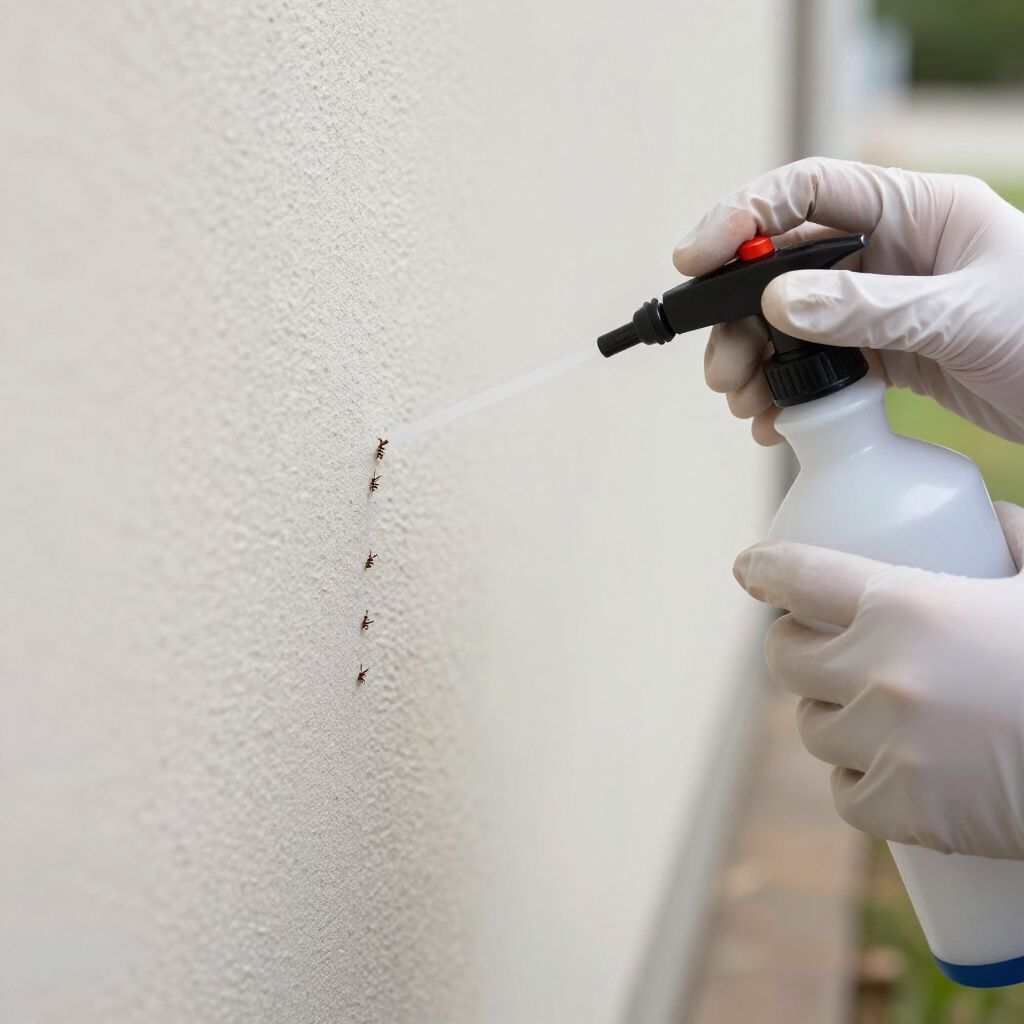

There's nothing quite like that sinking feeling of spotting a trail of ants marching across your kitchen counter. One day your home feels perfectly secure, and the next, these tiny invaders have established a bustling highway through your living space. The good news? Preventing ants from invading your home is entirely achievable with the right combination of diligence, smart habits, and strategic defenses. Whether you're dealing with occasional scout ants or want to avoid a full-blown colony takeover, this guide will walk you through practical, proven methods to keep your home ant-free.
How to Prevent Ants From Invading Your Home Starts With Understanding Their Behavior
Ants don't randomly wander into your home—they follow precise chemical trails laid down by scout ants who've discovered something worth returning for. Once a food source is identified, hundreds or even thousands of workers can follow the same path within hours. Understanding this behavior is crucial because it means prevention focuses on two key areas: eliminating what attracts them and disrupting how they find it.
Ants are primarily motivated by food, water, and shelter. Different species have different preferences—some crave sweet substances, while others seek proteins or fats. Carpenter ants are drawn to moist, decaying wood, whereas pavement ants often come inside searching for greasy foods. Knowing your local ant species can help you tailor your prevention strategy, but the core principles remain the same across most common household invaders.
Seasonal patterns also play a significant role. Spring and summer see increased ant activity as colonies expand and forage more aggressively. However, autumn can bring its own surge as ants seek warmth and consistent food sources before winter. Year-round vigilance, rather than seasonal panic, creates the most effective defense.
Seal Entry Points to Cut Off Access
Your home likely has dozens of potential entry points that seem insignificant to you but serve as grand entrances to an ant. These persistent insects can squeeze through cracks as narrow as a credit card's edge, making thorough inspection essential.
Start with a systematic walk around your home's exterior. Examine foundation cracks, gaps around utility lines and pipes, spaces beneath doors, and torn window screens. Pay special attention to areas where different building materials meet—these junctions often develop small separations over time. Caulk remains your most versatile tool; use silicone-based caulk for exterior applications and acrylic latex for interior gaps that need periodic flexibility.
Door sweeps and weatherstripping deserve particular attention. The gap beneath an exterior door might as well be a welcome mat for foraging ants. Install quality sweeps that maintain contact with the threshold, and replace weatherstripping that has compressed or cracked. For windows, ensure screens fit tightly in their frames and repair any holes promptly.
Don't overlook vertical access routes. Tree branches, shrubs, and climbing vines that touch your home create natural bridges. Maintain at least a foot of clearance between vegetation and your exterior walls. This landscaping discipline serves double duty, improving air circulation around your foundation while removing convenient ant highways.
Eliminate Food Sources and Moisture
The most effective way to prevent ants from invading your home is to make it fundamentally unappealing. This requires transforming your kitchen and dining areas from buffets into dead ends through consistent cleanliness and smart storage.
Immediate cleanup matters enormously. Wipe counters after every food preparation session, and don't let dirty dishes accumulate in sinks overnight. That tiny smear of honey or splash of cooking oil you barely notice? It's a beacon to an ant scout. Use a vinegar-based cleaner for final wiping—it removes both the residue and the chemical trail any exploring ant may have laid.
Storage upgrades make a substantial difference. Transfer pantry items like sugar, flour, cereal, and pet food into airtight containers with secure lids. Original packaging, even when rolled closed, rarely defeats determined ants. Glass, metal, or heavy-duty plastic containers with locking mechanisms create genuine barriers. The same principle applies to fruit bowls—ripening produce emits volatile compounds that attract ants from surprising distances, so consider refrigeration for highly fragrant fruits.
Pet feeding stations require special consideration. Establish set mealtimes rather than free-feeding, and clean bowls thoroughly afterward. Store bulk pet food in sealed containers, not in the original bag. Even small kibble crumbs scattered around feeding areas sustain ant exploration.
Moisture control extends beyond food management. Fix leaky faucets promptly, ensure drains flow freely, and address any condensation issues under sinks or around appliances. In humid climates, a dehumidifier in basements or crawl spaces reduces the damp environments that certain ant species find attractive.
Key Tips for Long-Term Ant Prevention
Beyond the foundational strategies, several targeted approaches significantly strengthen your defenses against persistent ant problems.
Deploy natural deterrents strategically. Certain substances disrupt ant trails and discourage exploration. White vinegar solutions, cinnamon, peppermint oil, and diatomaceous earth all create barriers ants prefer to avoid. Apply these along known entry paths, window sills, and baseboard perimeters. Reapply regularly, as their effectiveness diminishes with time and cleaning.
Maintain your outdoor perimeter. Ant colonies typically establish nests outside before expanding indoors. Create a defensive zone by keeping mulch and dense ground cover away from your foundation's immediate edge—use gravel or bare soil for the first eighteen inches instead. Ensure gutters direct water well away from your home, and promptly repair any exterior wood damage that might attract carpenter ants.
Monitor with intention. Place sticky traps or simple bait stations in areas where you've previously noticed ant activity. These serve as early warning systems, revealing new invasions before they escalate into visible trails. Check them weekly during active seasons.
Know when to escalate. Despite thorough prevention efforts, some situations require professional intervention. If you observe large numbers of winged ants indoors, discover frass (sawdust-like material indicating carpenter ant tunnels), or face recurring invasions that resist your measures, contacting a pest control professional becomes the wisest course. They can identify species precisely, locate hidden nests, and apply targeted treatments inaccessible to homeowners.
Final Thoughts
Preventing ants from invading your home demands consistency more than complexity. The strategies outlined here—understanding ant behavior, sealing access points, eliminating attractants, and maintaining vigilant habits—work in concert to transform your living space from an inviting target into an impenetrable fortress. No single action guarantees immunity, but the cumulative effect of these practices creates an environment where ants simply cannot establish the foothold they need to thrive.
The effort invested in prevention pays dividends far beyond avoiding the annoyance of ant trails. It protects your food stores, preserves your home's structural integrity, and eliminates the stress of reactive battles against established infestations. Start with one or two strategies that address your most obvious vulnerabilities, then systematically build your defenses. Your future self, enjoying a quiet morning coffee without any tiny companions, will thank you for the diligence.