
When ants march across your kitchen counter or you hear scratching in the walls at midnight, the first question that pops into your head is usually the same: Should I tackle this myself or call in the pros? It's a dilemma nearly every homeowner faces at some point, and the answer isn't always straightforward. The right choice depends on the pest you're dealing with, the severity of the infestation, your budget, and how much time and patience you have to spare. Let's walk through what you need to know to make the smartest decision for your home and family.
DIY Pest Control vs Hiring a Professional: What You Can Handle Yourself
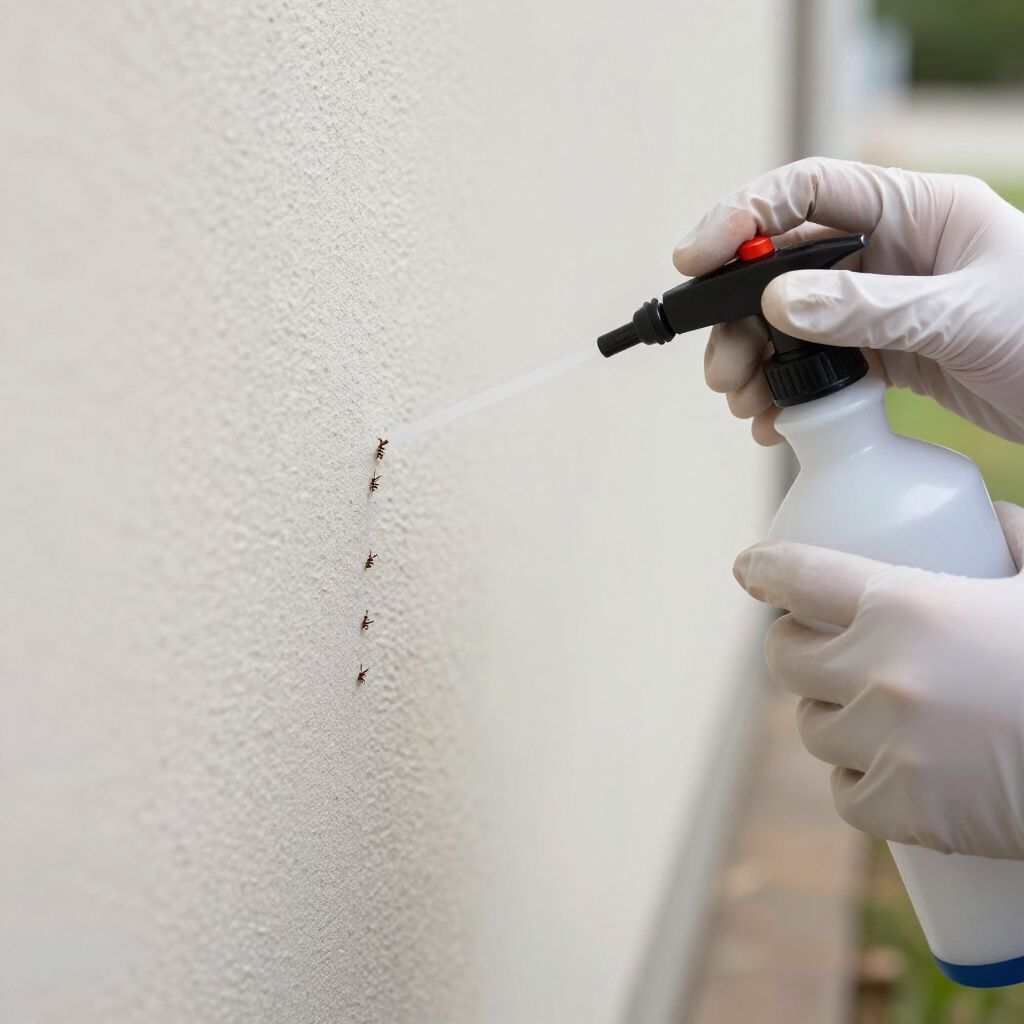
For minor, isolated pest problems, rolling up your sleeves can be perfectly effective. A trail of sugar ants in spring, the occasional spider in the basement, or a single wasp nest that's easily accessible—these scenarios often respond well to do-it-yourself methods. Over-the-counter sprays, bait stations, and natural remedies like diatomaceous earth or essential oils can provide relief without the expense of a service call.
The advantages of going DIY are clear. You'll save money upfront, address the problem immediately without waiting for an appointment, and maintain complete control over what products enter your home. For households with young children, pets, or members with chemical sensitivities, this last point can feel especially important. Many homeowners also appreciate the satisfaction of solving a problem independently.
However, DIY pest control vs hiring a professional isn't just about convenience—it's about effectiveness and safety. Store-bought products typically contain lower concentrations of active ingredients than professional-grade treatments, which means they may knock down visible pests but fail to reach hidden nests or breeding sites. You might find yourself reapplying products repeatedly, which can cost more over time than a single professional treatment would have. Worse, misapplication of pesticides can create health risks for your family and even drive pests deeper into your walls, making the eventual professional intervention more complex and expensive.
When a Professional Exterminator Becomes Essential
Some pest situations demand expertise that goes far beyond what a trip to the hardware store can provide. Termites silently destroying your home's structural integrity, bed bugs hiding in mattress seams and electrical outlets, or a full-blown rodent infestation with multiple entry points—these are battles you don't want to wage alone.
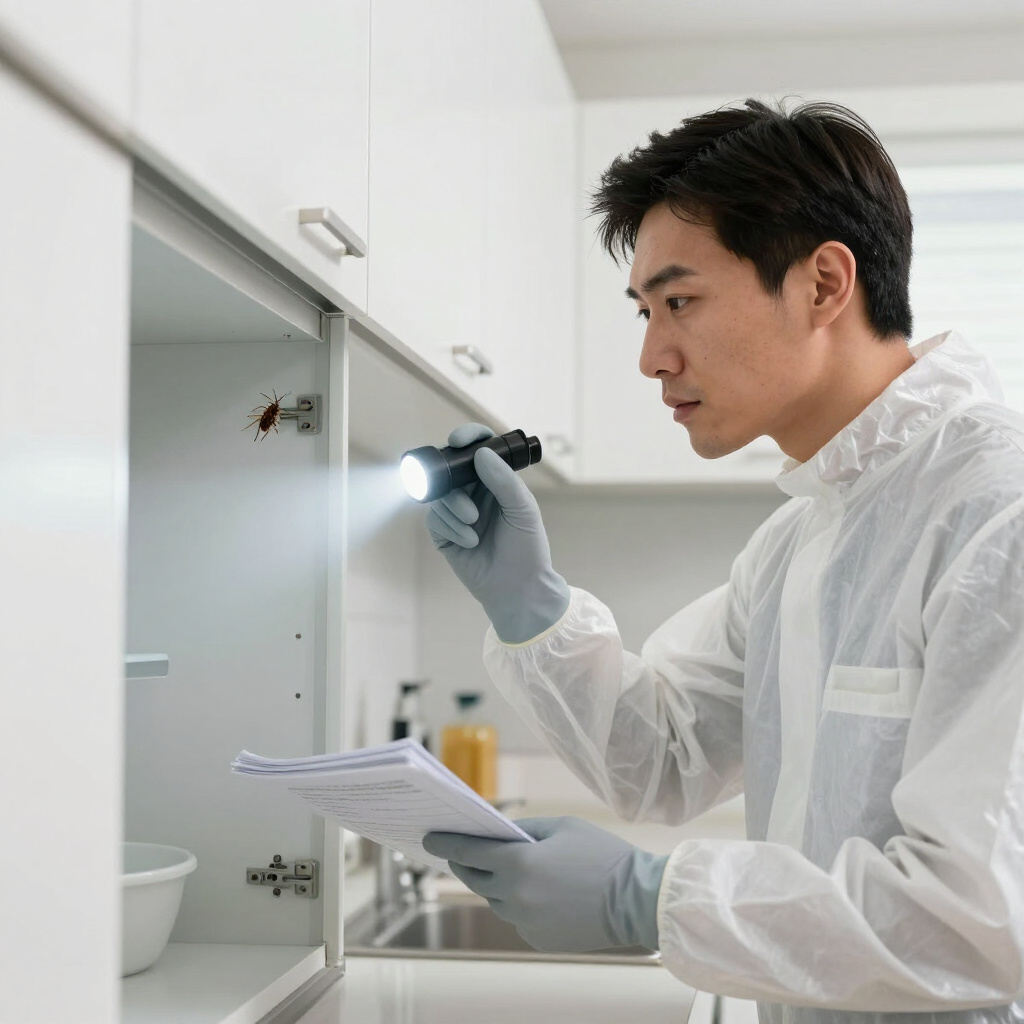
Licensed pest control professionals bring specialized knowledge that makes a genuine difference. They can accurately identify pest species (critical since treatment for German cockroaches differs dramatically from American cockroaches), locate hidden nests and entry points you'd never find, and apply targeted treatments that eliminate the entire colony or population rather than just the individuals you see. Their access to commercial-grade products, combined with integrated pest management techniques, creates solutions that last.
Safety considerations also tip the scales toward professional help in many cases. Handling rodenticides, fumigants, or termiticides requires training and protective equipment most homeowners don't possess. Professionals understand how these substances interact with your home environment and can apply them in ways that minimize risk to occupants while maximizing impact on pests.
Perhaps most valuable is the guarantee that reputable companies provide. If the pests return within a specified period, so does the exterminator—at no additional charge. This peace of mind is something no DIY approach can match.
Key Tips for Making Your Decision
Before you decide between DIY pest control vs hiring a professional, take time to honestly assess your situation. Walk through your home with fresh eyes, looking for signs of pest activity beyond what initially caught your attention. Are you seeing pests in multiple rooms? Finding droppings, shed skins, or damage to wood, fabric, or wiring? Noticing activity at different times of day? These patterns suggest an established infestation that likely requires professional intervention.
Consider the pest's biology and behavior. Pests that reproduce rapidly—like German cockroaches, fruit flies, or house mice—can explode in numbers before a DIY approach gains traction. Pests with complex social structures, such as ants and termites, need treatments that reach the queen and colony, not just foraging workers. Research the specific pest you're facing to understand whether over-the-counter solutions have documented success rates for your type of problem.
Evaluate your own threshold for experimentation. Are you willing to try multiple products and techniques, potentially living with pests longer while you figure out what works? Some homeowners find this process stressful and disruptive; others see it as a reasonable trade-off for cost savings. There's no wrong answer—just your answer.
If you do choose the DIY route, read product labels completely and follow them precisely. More isn't better when it comes to pesticides. Store all products securely away from children and pets, and never mix different chemicals unless specifically instructed. Keep records of what you applied, when, and where, so you can track results and provide accurate information if you eventually need professional help.
When contacting professionals, get multiple quotes and ask detailed questions. What treatment methods do they use? Is their approach environmentally responsible? What preparation will your home require? How long before you see results, and what follow-up is included? A trustworthy company will welcome these questions and provide clear, specific answers without pressure tactics.
Final Thoughts
The debate between DIY pest control vs hiring a professional doesn't have a one-size-fits-all resolution. Minor, straightforward problems often yield to well-chosen DIY methods, especially when caught early. But complex, widespread, or potentially destructive infestations merit the expertise, equipment, and guarantees that only licensed professionals can provide.
Many homeowners find that a hybrid approach works best: handling routine prevention and minor issues themselves while building a relationship with a trusted local pest control company for situations that escalate beyond their comfort zone. The key is recognizing when a problem has outgrown your capabilities and acting decisively before damage or health risks multiply. Your home is your biggest investment and your family's sanctuary—protecting it deserves clear-eyed judgment about when to go it alone and when to call in expertise that ensures the job gets done right.